How Many Solar Panels Does A Home Really Need?
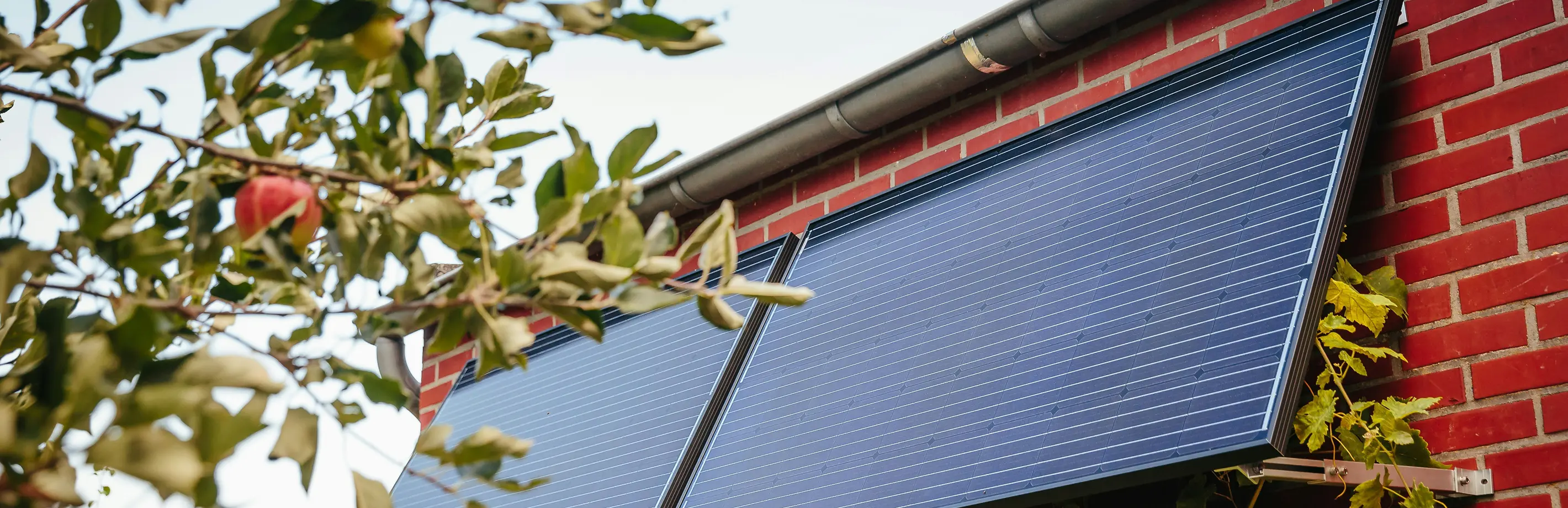
Ask how many solar panels a home needs and you will often receive a surprisingly simple answer. As many as the roof can hold.
After years inside the renewable energy industry, our founder began to notice a recurring problem.
That might produce the largest system. But it does not automatically produce the most sensible one.
Solar panels should not be chosen in isolation. Your electricity consumption, roof, heating, vehicle, battery, tariff and future plans can all influence how large the system should be.
The real question is not simply: How many panels can we install? It is: What size of solar system makes sense for this home?
There Is No Universal Number
Two homes that look almost identical from the outside can need very different solar systems. One household may be empty throughout most of the day. Another may have people working from home, an electric vehicle on the driveway and a heat pump providing heating.
Their roofs may be similar. Their energy needs are not.
That is why general recommendations based only on property size can be misleading.
A three-bedroom home does not automatically need a specific number of panels. The right system depends on what happens inside the property, when energy is used and what the homeowner wants to achieve.
Start With Your Electricity Usage
Your Energy Habits Matter More Than The Number Of Bedrooms.
Your electricity bills provide a useful starting point. They show how much electricity your household uses across the year. But the annual total is only part of the story.
It also matters when that electricity is used. A household that consumes most of its energy during daylight hours may use a larger proportion of its solar generation directly. A household that is empty during the day may export more electricity unless battery storage is included.
The same solar system can therefore perform differently in two homes with similar annual consumption.
Before deciding how many panels to install, it helps to understand:
- Your annual electricity consumption
- How usage changes throughout the year
- When your household uses the most electricity
- Whether daytime demand is likely to increase
- How much energy could be shifted to daylight hours
The better the system reflects your real usage, the more useful the electricity it generates becomes.
.png)
.png)
A Simple Way To Think About System Size
You do not need to begin with a panel number. Begin with four questions.
1. How Much Energy Do You Use?
Look at your annual electricity consumption and how it changes between seasons.
2. When Do You Use It?
Consider how much energy is used during daylight hours, in the evening and overnight.
3. How Might That Change?
Include known plans for electric vehicles, heating, extensions or other significant changes.
4. What Do You Want The System To Achieve?
Reducing electricity bills is one goal.
Others may include greater resilience, reduced grid dependence, lower environmental impact or preparing the property for future technologies.
Once these questions are understood, the appropriate system size becomes much easier to identify.
More Helpful Energy Insights