Energy Bills Are Forecast To Rise 26% In January. What It Means For Your Home

In October we wrote that energy bills were forecast to rise 16% in January. The forecast has now got a lot worse.
On 18 November energy consultancy Cornwall Insight said the price cap is likely to rise by 26% from January. That would take the typical dual fuel household bill to £2,166 a year, an extra £443. The Guardian called it one of the biggest quarterly price rises on record.
Key Takeaways
- Bills are forecast to rise 26% in January. The typical household bill would reach £2,166 a year.
- Ofgem confirms the real figure on 25 November. It covers January to March, the coldest months of the year.
- Your own energy is worth more. The higher grid prices go, the more every unit you make or store at home saves you.
What Has Changed Since October?
In late September Cornwall Insight expected a 16% rise to £1,999 a year. Since then gas prices have climbed because of the conflict in the Middle East and worries about Europe's gas storage. That has pushed the forecast up by another ten points.
It comes on top of the rise in October, and it lands just as colder weather pushes up how much energy every home uses.
Is There Any Help?
The government has announced a one off payment of £100 in January for around 20 million households in council tax bands A to D. It will be paid straight into bank accounts. The Warm Home Discount of £150 also carries on for households who qualify.
Both help. Neither comes close to a rise of this size.


What It Means If You Have Solar
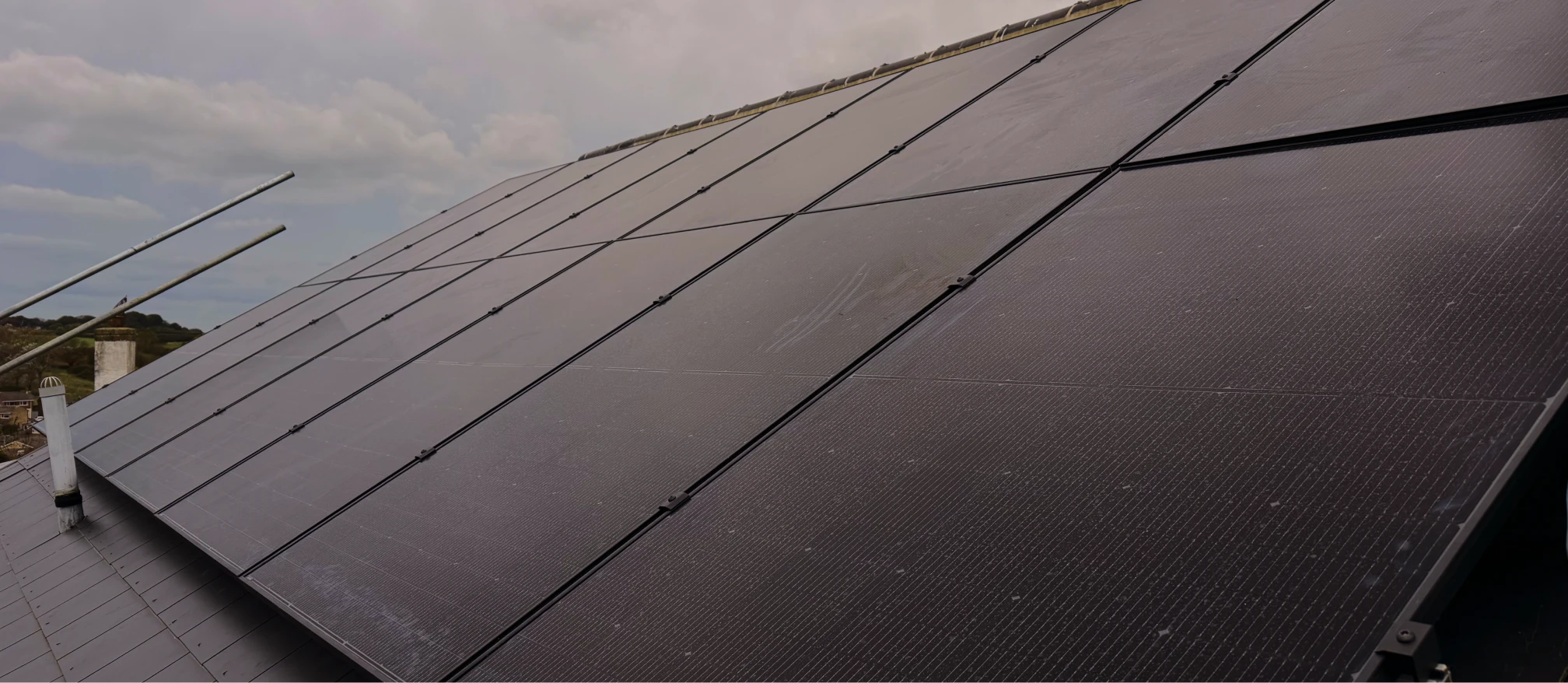
Every unit your panels make and you use yourself is a unit you are not buying from the grid. When grid prices go up, that saving goes up too, without you doing anything.
In winter the panels make less, so a battery does more of the work. On a cheap overnight tariff it charges while rates are low, then runs your home through the dearer morning and evening hours. Our guide do solar panels work in the winter? explains what to expect.
What You Can Do Before January
1. Check your tariff. If you are on a fixed deal, look at your end date and any exit fees before 1 January.
2. Read your meter. Take a reading on 31 December so your bill is split properly at the new rates.
3. Check your battery settings. If you have a battery, make sure its charge window still matches your low rate hours now the clocks have gone back.
4. Start the conversation early. 0% VAT on home solar and batteries ends on 31 March 2027. From 1 April it goes back to 5%. Surveys, design and grid paperwork all take time, so it pays not to leave it late.
Talk It Through With Us
We are a small team based in Frome. Have a look at whether you need a home battery, read about our solar panel installation, or book a discovery call. No pressure. Just clear advice.
If you have any questions, please give me a call on 07782 246447.
Sources: Cornwall Insight forecast as reported by The Guardian, 18 November 2026. VAT: HMRC VAT Notice 708/6, checked 18 November 2026.
More Helpful Energy Insights